Choosing the Right Plants for Your Home
House plants have long been a favorite addition to homes, not only for their beauty but also for their ability to enhance well-being. Choosing the right plants can transform a living space into a sanctuary, offering both aesthetic and health benefits. Certain plants stand out as ideal choices because of their resilience, ease of care, and the positive effects they bring to your environment. The simple act of bringing the outdoors in allows us to connect with nature, even in urban settings where green space may be limited.
Best Options for Beginners and Beyond
Among the most popular and practical options are snake plants, pothos, and peace lilies. Snake plants, with their tall, structured leaves, thrive in low light and require minimal watering, making them nearly indestructible and perfect for beginners. Pothos is another low-maintenance favorite, with trailing vines that adapt to many conditions and add a touch of greenery to shelves or hanging planters. Peace lilies bring elegance with their glossy leaves and white blooms while also being effective at filtering common household toxins from the air. For those looking for a statement piece, fiddle leaf figs and rubber plants are larger options that add drama and height to a space. On the smaller end, succulents and cacti are compact, versatile, and require little more than bright light and occasional watering.
Health and Mental Benefits of House Plants
The benefits of house plants extend well beyond aesthetics. Studies have shown that plants improve air quality by absorbing carbon dioxide and releasing oxygen, but their influence also reaches mental health. Surrounding yourself with greenery has been linked to reduced stress, increased concentration, and a general sense of calm. Offices that incorporate plants often report higher productivity levels, while homes filled with greenery tend to feel more welcoming and relaxing. Caring for plants, even through simple tasks like watering or pruning, can serve as a mindful activity that eases anxiety and creates a sense of accomplishment. For many people, the presence of plants in a home creates an atmosphere of life and growth that subtly boosts daily mood.
Creative Ways to Arrange House Plants
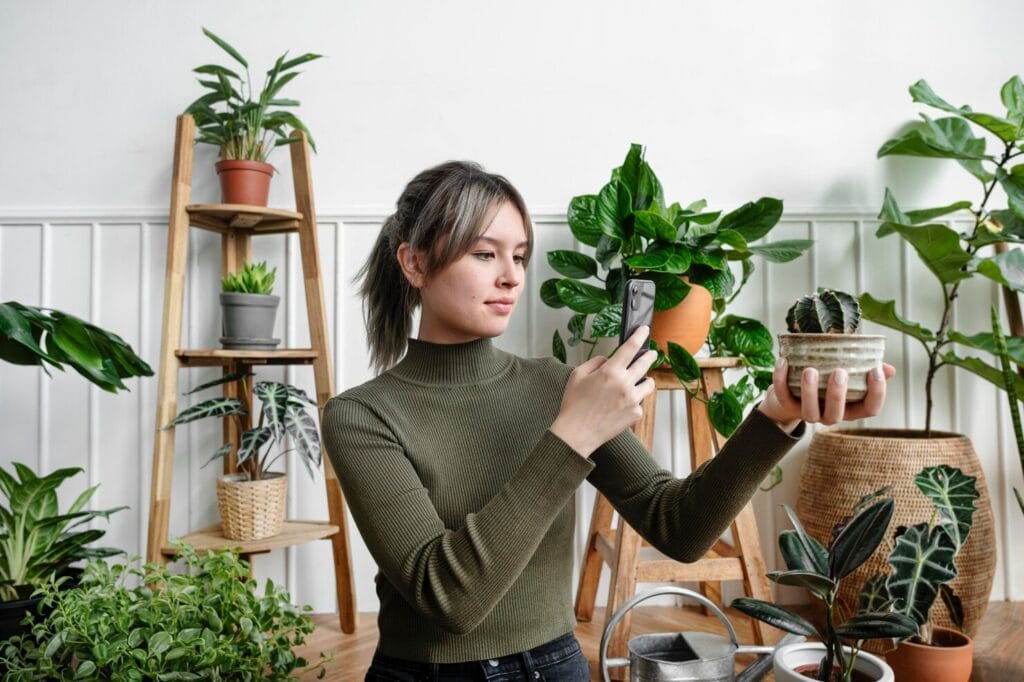
Arranging house plants within a room requires both creativity and attention to their needs. Tall plants such as fiddle leaf figs or rubber plants work beautifully in corners, adding height and drama to a space. Smaller varieties like succulents, herbs, or aloe vera can be placed on desks, side tables, or windowsills, where they add charm without overwhelming the space. Grouping plants together not only creates a lush, vibrant look but also helps maintain higher humidity levels, which many species enjoy. Mixing planters of varying heights, textures, and materials can also make the arrangement feel intentional and stylish. A modern aesthetic might favor sleek ceramic pots in neutral tones, while a bohemian style could incorporate woven baskets, terracotta, or handmade clay pots. Positioning plants near natural light sources while being mindful of each plant’s light tolerance ensures both beauty and longevity.
Essential Tips for Plant Care
Caring for house plants successfully depends on understanding their individual requirements. Most plants benefit from consistent but not excessive watering—overwatering is one of the most common mistakes beginners make. It’s important to check soil moisture before watering and to ensure pots have proper drainage. Light is another crucial factor; some plants thrive in direct sunlight, while others, like ferns and snake plants, prefer shaded corners. Regular dusting of leaves keeps them photosynthesizing effectively, while occasional fertilization encourages strong growth. Repotting when a plant outgrows its container provides room for roots to expand and prevents stunted growth. Paying attention to subtle changes, such as yellowing leaves or slowed growth, can help you address issues before they become serious. Seasonal adjustments are also important; plants may need more water in the summer and less during the winter months when growth slows.
Building a Plant Care Routine
Beyond individual care, creating a consistent plant care routine helps maintain a thriving indoor garden. Establishing a weekly check-in for watering, cleaning, and pruning ensures that small tasks do not build into larger problems. It also creates an opportunity to observe changes and appreciate the gradual growth of each plant. For those with busy lifestyles, choosing low-maintenance plants like ZZ plants, snake plants, or succulents allows for greenery without constant attention, while plant enthusiasts may enjoy the challenge of caring for more delicate varieties like orchids or ferns.
Plants as Living DécorUltimately, house plants are much more than decorative elements. They act as natural air purifiers, mood boosters, and design enhancers, bringing life and vibrancy into any home. A room without greenery can often feel flat or unfinished, while even a few well-placed plants can dramatically change the atmosphere. By carefully selecting plants that fit your lifestyle, arranging them thoughtfully, and providing consistent care, you create an environment that nurtures both your living space and your own well-being. In doing so, you’re not just decorating—you’re cultivating a living, breathing part of your home that grows alongside you.